
Heating Requirements in This Industry
In the chemical industry, the deciding factor in heater selection is chemical rather than electrical. In acidic, alkaline and chloride environments, a standard stainless sheath can be perforated within weeks; if the wrong material is chosen, the heater remains electrically sound but fails mechanically. In addition, plants handling solvents and flammable substances must have a hazardous area classification and use ATEX-compliant products.
Typical Heating Applications
- Heating acidic and alkaline baths on surface treatment and galvanising lines
- Controlled heating of reactors, glass flasks and process tanks
- Process heating in areas with a hazardous area classification
- Frost protection and keeping media flowing in pipelines and valves
Which Heater, and Why?
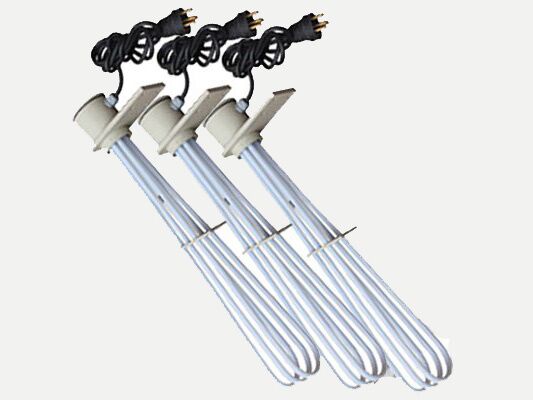
- Acid Bath Heaters — With a choice of quartz, PTFE or titanium body, the material is determined by the chemical in the bath.
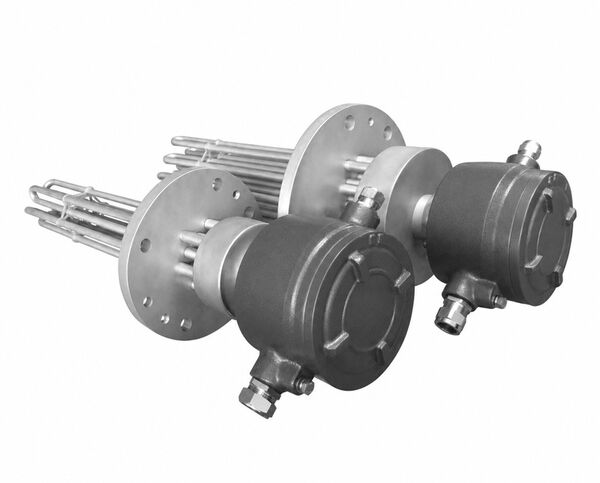
- Explosion-Proof (Ex) Heaters — Manufactured as heating assemblies of ATEX-compliant design for Zone 1 and Zone 2 areas.
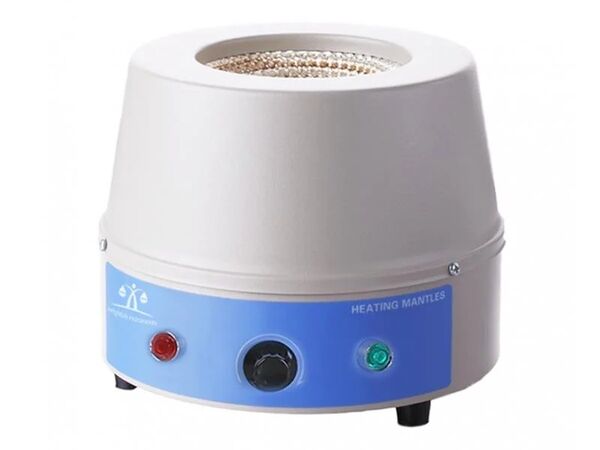
- Chemical Flask Heater (Heating Mantle) — Wraps the outer surface of glass flasks and reactors and heats them without contact with the contents.
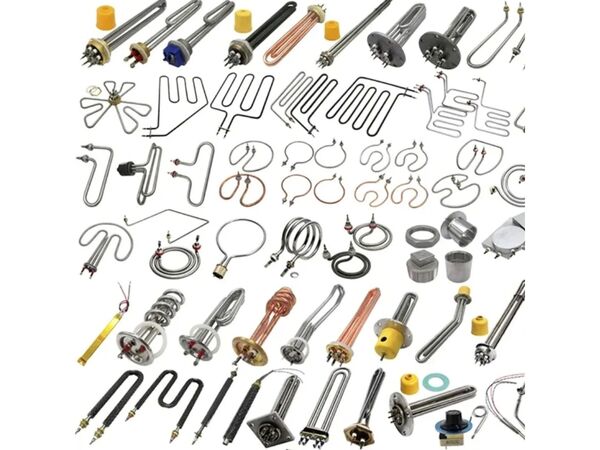
- Tubular Heater — Immersed in tanks and process vessels with a sheath material that withstands the medium.
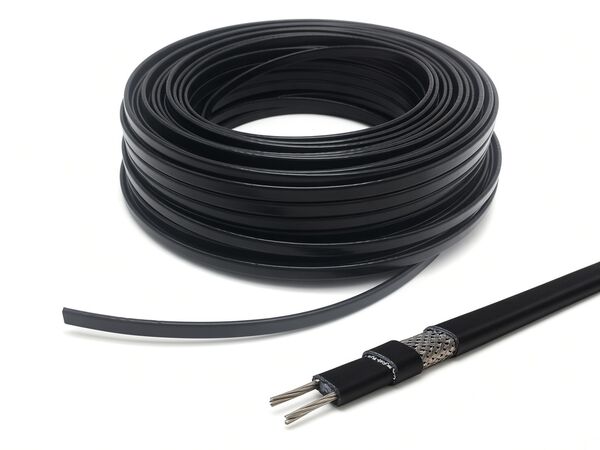
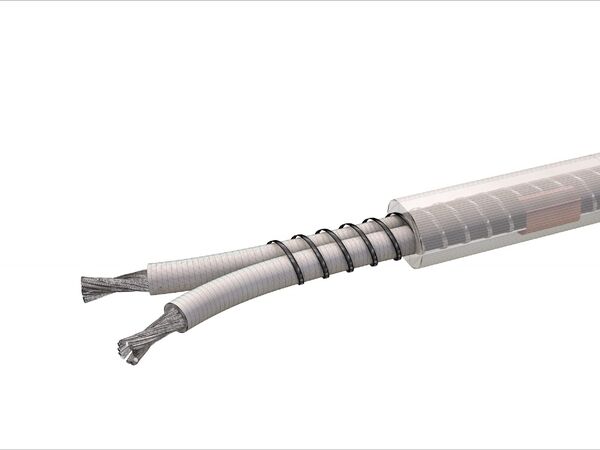
- Self-Regulating Heating Cable — On pipelines it reduces its own output as the temperature rises, lowering the risk of overheating.
- Heating Cables and Tapes — Provides heating at uniform power over many metres along long pipelines.
Our Products Used in This Industry
Key Considerations
The first step is to define the medium: the sheath material cannot be selected without knowing the type of chemical, its concentration and the working temperature. Stainless steel, titanium, quartz and PTFE suit different media and cannot be substituted for one another. Keeping the watt density low limits the sheath surface temperature. For explosive atmospheres, the area classification, gas group and temperature class must be stated at the quotation stage. In addition to temperature control, over-temperature protection and residual current protection should be planned.
- Material cannot be selected without knowing the type and concentration of the chemical in the bath.
- In Zone 1 and Zone 2 areas, only heaters of ATEX-compliant design may be used.
- For quartz-sheathed products, residual current protection is recommended against the risk of breakage.
- In corrosive environments, keeping the watt density low limits the sheath surface temperature.
Custom Manufacturing and Quotation
In chemical and process applications, every heater is designed around the details of the medium. On the quote form, state the name and concentration of the chemical, the dimensions of the tank or bath, the mounting method, the power required and, where applicable, the area classification. Our engineer prepares a recommendation for the sheath material and watt density; production starts after the dimension list and technical specifications have been approved in writing.
Related Industries
Let us define the right solution for your project together
Contact us to determine the most suitable heater and industrial heating solution for your project. Our technical team is ready to offer the solution that best fits your requirements.