
Heating Requirements in This Industry
For machine builders, a heater is not a purchased part but a component of the product. Expectations are therefore different: dimensional repeatability, continuous supply, the ability to receive the same product under the same code for years, and technical support during commissioning. In series production, early failure of one heater affects dozens of machines in the field at the same time.
Typical Heating Applications
- Process heating components in series-built machines
- Oven, drying and air heating units integrated into the machine body
- Mould, platen and surface heating elements
- Temperature measurement and control circuits
Which Heater, and Why?
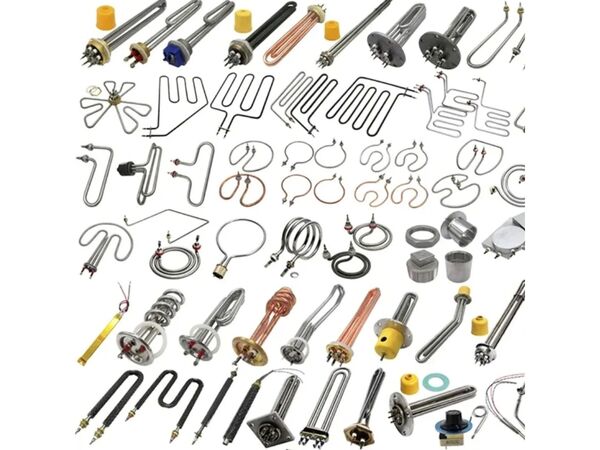
- Tubular Heater — Bent to your technical drawing and adapted to tight, special geometries inside the machine.
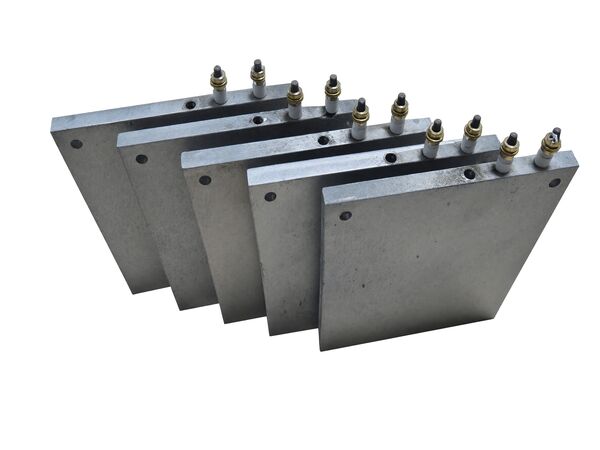
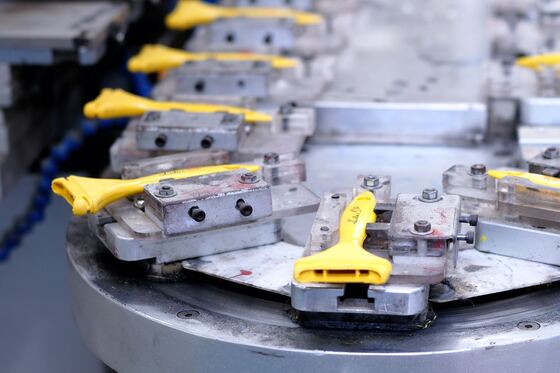
- Cast-in Aluminium Heater — A cast body integrated into parts such as platens and jaws provides a uniform surface temperature.
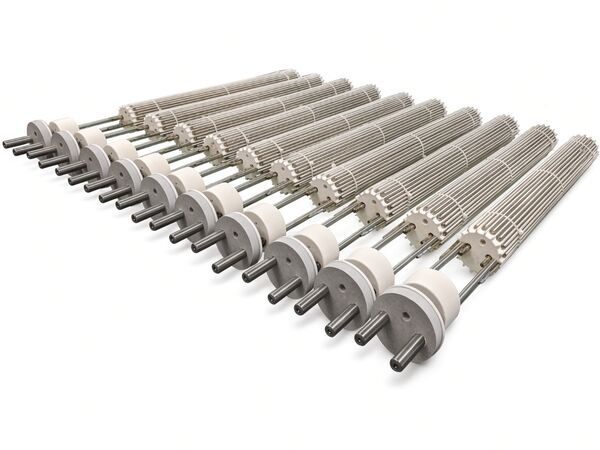
- Custom Furnace Heating Element — For ovens integrated into the machine, open coil or tubular types are made to the dimensions of the oven body.
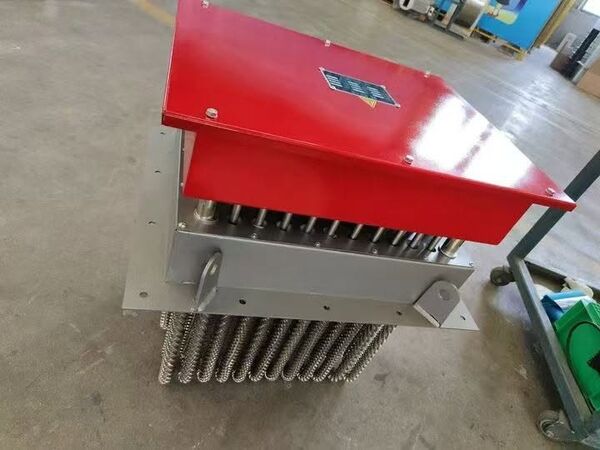
- Air Duct Heater — Flange-mounted in the duct of drying and air heating units.
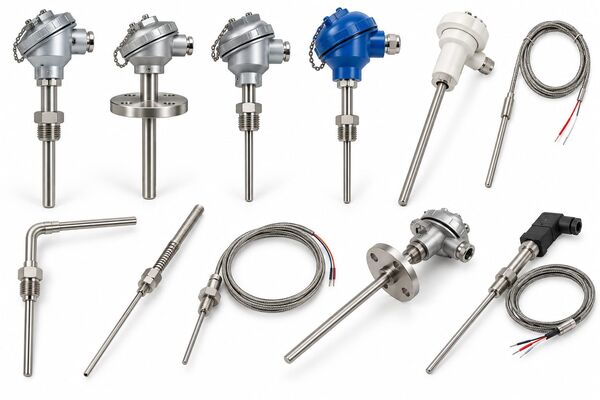
- Thermocouples, Temperature Sensors and Connectors — A sensor designed together with the heater fits directly into the machine's control circuit.
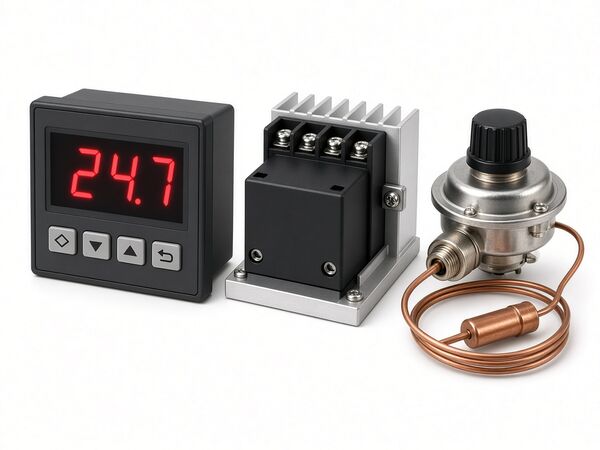
- Thermostats and Temperature Controllers — From capillary thermostats to PID controllers, the control side can be planned with the same supplier.
Our Products Used in This Industry
Key Considerations
In OEM projects, the heater is selected together with the power and control architecture of the machine. Supply voltage, connection type and cable exit direction are fixed according to the machine design. Sheath material and watt density are determined by the medium being heated and the expected service life. The sensor type (type J or K thermocouple, or PT100) must be the same as the controller input. Connection terminals and cable protection are designed for series production conditions, so as to reduce the risk of damage on the assembly line.
- After first sample approval, dimensions and material properties are fixed under the product code.
- Batch-based test records can be requested for series production.
- Machine-specific geometries are manufactured from technical drawings.
- For critical products, a stock agreement can be made to ensure spare part continuity.
Custom Manufacturing and Quotation
Working with machine builders starts with a technical drawing or a sample. The annual quantity and the delivery schedule are agreed together according to your needs. Once the first sample has been approved, dimensions and material properties are fixed under the product code; repeat orders are placed under the same code.
Related Industries
Let us define the right solution for your project together
Contact us to determine the most suitable heater and industrial heating solution for your project. Our technical team is ready to offer the solution that best fits your requirements.